

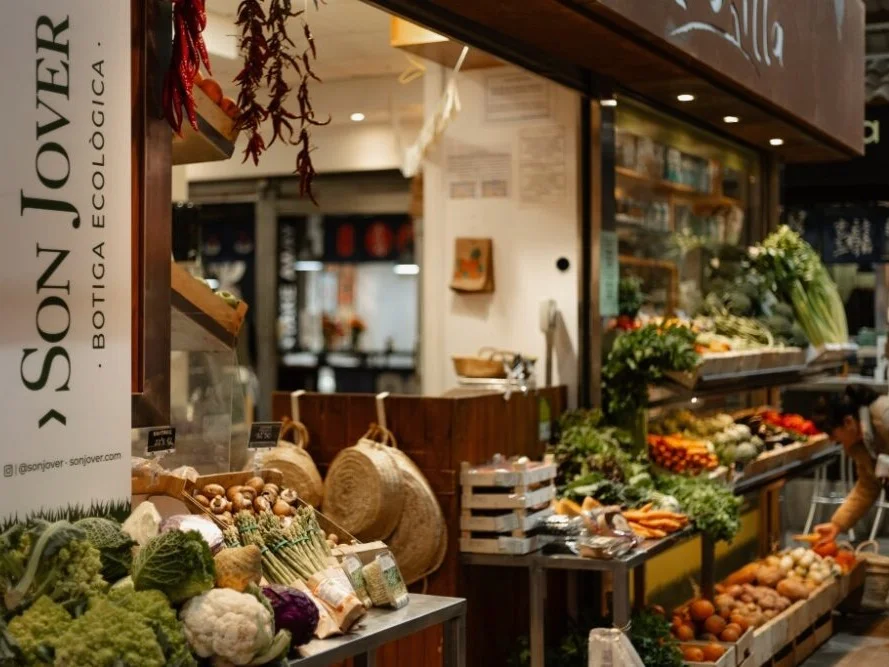

Some of my favourite food moments in Mallorca and Ibiza haven’t happened in restaurants at all. They’ve happened standing at market counters, squeezing into narrow aisles, chatting to vendors who clearly know their produce inside out. Markets are where the islands feel most alive – and where you find flavours that never make it onto tourist menus.
If you know where (and when) to look, Mallorca and Ibiza are packed with hidden food markets, unusual stalls and seasonal pop-ups that most visitors completely miss. This is a personal guide to those places – the ones I keep coming back to – and how to experience them like a local, not just a passer-by.
Why markets are the soul of Balearic food culture
Markets in the Balearics aren’t just about shopping. They’re social spaces, meeting points, and daily rituals. Locals come for a chat as much as for tomatoes. Vendors know their regulars by name. Recipes are shared as freely as opinions.
What makes markets here special is their seasonality. What you see in April won’t be the same in August. Wild asparagus, fresh figs, sobrasada variations, early almonds, late citrus – everything follows the rhythm of the island.
If you really want to understand Mallorcan or Ibizan food culture, markets are the place to start. This is exactly why so many of our Food Tours Balearics experiences either begin in, pass through, or are inspired by local markets – they tell the story better than any guidebook ever could.
Hidden markets of Mallorca: beyond the obvious
Santa Catalina Market (Palma) – look past the centre
Santa Catalina isn’t exactly a secret, but most visitors only skim the surface. They stick to the busy bars and never venture deeper into the produce stalls.
If you slow down, this market rewards curiosity. Look for:
- Small olive stalls offering single-variety Mallorcan oils
- Counters selling llonganissa and sobrassada made just outside Palma
- Seasonal mushroom vendors in autumn who will happily tell you how to cook each variety
Early mornings are best, especially midweek. This is one of the stops where guests on our private Tapas Tasting Tours often have that “oh wow, this feels local” moment.
Pere Garau Market (Palma) – raw, real, and refreshingly local
If you want a market that feels untouched by tourism, Mercat de Pere Garau is it. This is where Palma shops – loud, colourful, chaotic and completely authentic.
You’ll find:
- African, Asian and Latin American produce alongside Mallorcan staples
- Fish stalls selling the day’s catch at prices locals argue over
- Elderly vendors selling herbs they’ve foraged themselves
It’s not polished, but that’s exactly the point. Pere Garau shows how modern Mallorca actually eats. It’s a market best explored with context – which is why we often recommend it as a self-guided stop for travellers who want to go deeper without joining a group tour.
Inca Market – cheese, leather & Thursday rituals
Inca is famous for its Thursday market, but many people only associate it with leather goods.
Big mistake.
Tucked between the leather stalls are some of the best local cheese vendors on the island. Look for semi-cured sheep’s cheeses, fresh brossat, and aged wheels rubbed with paprika or olive oil.
Go late morning, grab a cone of olives, and follow locals to whichever bar looks busiest. This is slow travel Mallorca-style.
Ibiza’s quieter market scene (and why it’s underrated)
Ibiza markets often get pigeonholed as “hippie markets”, but there’s much more going on if you skip the souvenir stands.
Sant Joan de Labritja Sunday Market – eclectic, creative & seasonal
The Sunday market in Sant Joan de Labritja is less about ticking items off a shopping list and more about soaking up the island’s creative, community-led spirit. It has the feel of a flea market with soul, where locals, artists and food lovers come together for an easy, unhurried morning.
Stalls spill out with handmade jewellery, clothing, paintings, bags and decorative objects, each piece clearly crafted by hand and often one of a kind. Mixed in between are tables run by local residents selling homemade food, from freshly baked cakes and traditional jams to olives and preserved vegetables, many made with ingredients grown just outside the village.
What really sets Sant Joan apart is its international, bohemian energy. People from all over the world bring their crafts, flavours and stories, creating one of the most eclectic markets on the island. It’s a place to wander, snack, chat and linger, the kind of market where you come for a quick look and end up staying all morning.
Forada Market – farm-to-stall before it was trendy
Forada is one of those markets that feels like a shared secret. Held near Sant Antoni, it’s all about direct from the farm produce.
You’ll find:
- Wild greens and bitter leaves used in traditional Ibizan cooking
- Fresh goat cheeses wrapped in paper
- Seasonal fruit that never makes it to supermarkets
This is the kind of place where understanding what you’re tasting matters – which is why it pairs perfectly with our Ibiza food and wine routes, where context turns ingredients into stories.
Unusual vendors you should always stop for
No matter which market you’re in, there are a few stalls I never skip:
- Olive vendors with open barrels – ask what’s local and what’s in season
- Herb sellers offering bundles you won’t recognise (ask what they’re used for)
- Bread stalls selling pan moreno or coca – especially if they’re nearly sold out
- Egg vendors with handwritten signs and mismatched cartons
These stalls are where you’ll learn the most, especially if you’re curious enough to ask questions.
Seasonal stalls tourists often miss
One of the biggest mistakes visitors make is expecting markets to look the same year-round. Some of the best stalls are temporary and seasonal.
Look out for:
- Fig stalls in late summer
- Citrus sellers in winter
- Mushroom foragers in autumn
- Wild asparagus in early spring
These stalls often appear quietly, without signs or fuss. Miss the season, and they’re gone.
How to explore markets like a local (not a tourist)
Here’s what I’ve learned after years of market wandering:
- Go early or very late – never peak lunch time
- Don’t photograph first, talk first
- Buy small amounts from multiple stalls
- Ask how locals cook what you’re buying
- Eat standing up, not seated, when possible
Markets aren’t museums. They’re living, breathing spaces.
Turning market visits into a food experience
Markets are even better when they’re part of a bigger food story. That’s why many travellers choose to pair market visits with:
- A Mallorca food tour focused on local produce
- A self-guided food route that connects markets with nearby bars
- A wine & dine experience where market flavours show up on the plate
This approach lets you enjoy the freedom of exploring while still understanding what you’re tasting – the best of both worlds.
Markets are where the islands speak
If Mallorca and Ibiza could talk, they’d sound like their markets. Messy, seasonal, opinionated, generous.
You don’t need a shopping list or a plan. Just curiosity, an appetite, and a willingness to slow down.
And if you want help connecting those market discoveries to unforgettable meals, that’s exactly where Food Tours Balearics comes in – quietly guiding you from stall to table.