


One of the easiest ways to understand Mallorca and Ibiza is simply to eat your way through a full day. Not by chasing restaurant reservations or ticking off “must-see” places, but by following the natural rhythm of how locals actually eat.
Breakfast is quiet and sweet. Lunch is generous and unhurried. Dinner comes late, often shared, and rarely rushed. When you align your day with that rhythm, the islands start to make sense – and the food tastes even better.
This is a personal, time-based food itinerary showing how to experience authentic Balearic flavours from morning to night, with dishes and moments that locals recognise as their own.
Breakfast: slow mornings, pan con tomate & sweet starts
Breakfast in the Balearics isn’t about big plates or early starts. It’s about easing into the day – often standing at the bar, newspaper folded under one arm, no rush anywhere.
Pan con tomate: the everyday breakfast ritual
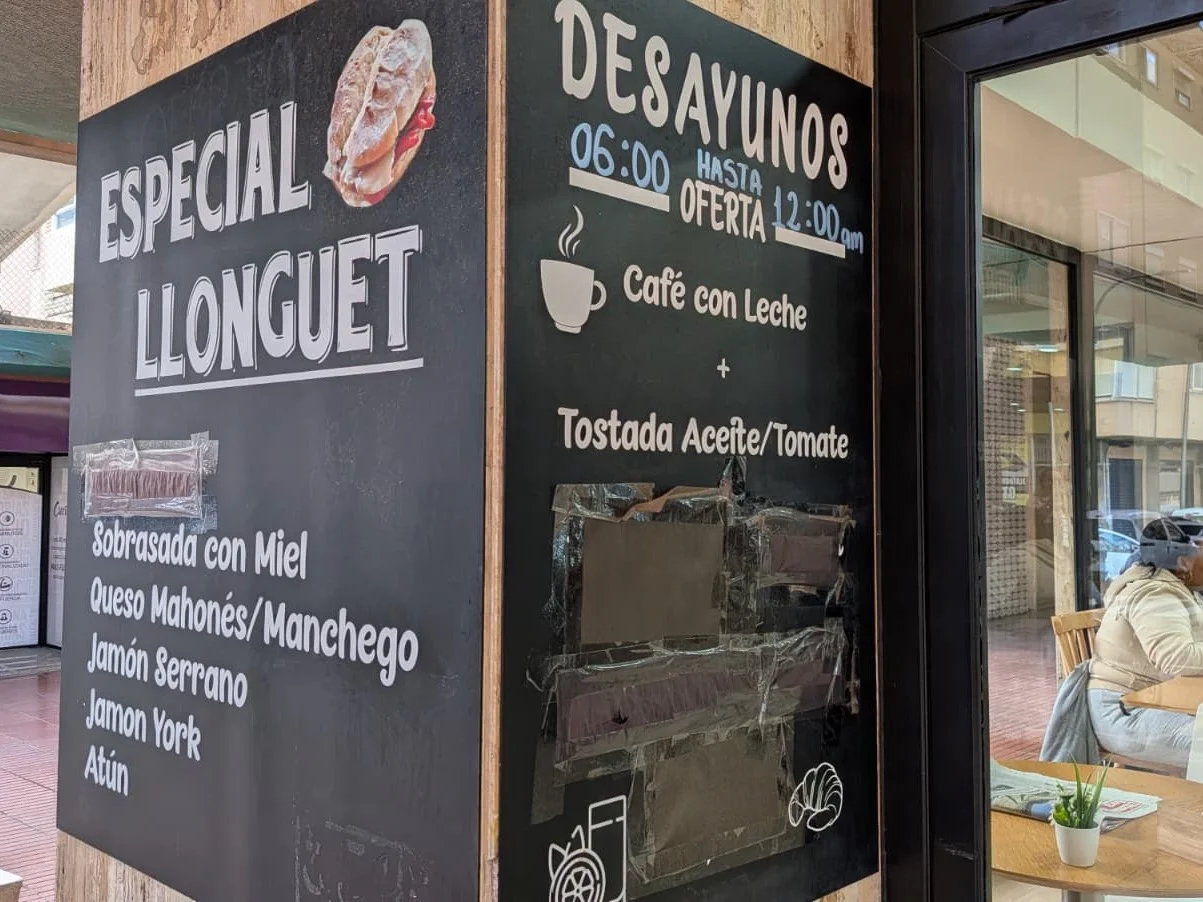
If there’s one breakfast combo you’ll see everywhere, it’s this one:
- Pan con tomate
- Café con leche
- Fresh orange juice
Most local bars offer it as a set deal for just a few euros, and it’s as normal at 9am as it is late morning. Thick slices of rustic bread are rubbed with ripe tomato, drizzled with olive oil and sprinkled with salt. No extras needed. It’s simple, filling and deeply satisfying.
You’ll see people ordering it before work, after a gym session or as a “second breakfast” closer to midday. It’s one of those small habits that tells you everything about how locals eat: uncomplicated, seasonal and good quality by default.
Sweet breakfasts still matter
Alongside pan con tomate, sweet pastries play their role. In Mallorca, ensaimadas are still king – often shared rather than eaten alone. In Ibiza, simpler pastries and local cakes appear more often, sometimes paired with bread and butter rather than something sugary.
Breakfast here isn’t about choice overload. It’s about trusting what the bar does well and ordering what everyone else is having.
Mid-morning: when breakfast quietly becomes lunch
By late morning, the islands shift gear. Markets are busy, bars refill, and food comes back into focus – without fully committing to lunch yet.
This is prime time for:
- Another pan con tomate
- A small bocadillo
- Olives, anchovies or cheese at a market counter
This flexible approach to eating is one reason food tours and self-guided routes work so well here. You’re never locked into a strict schedule – you eat when it feels right.
Lunch: menú del día and the art of not rushing
Lunch is where the Balearics truly shine. And nothing represents that better than the menú del día.
What a menú del día really means
A traditional menú del día is not a light lunch. It’s a full experience:
- Starter
- Main
- Dessert
- Bread
- Wine and water included
Yes – a bottle of wine on the table.
Still water too.
Soft drinks? Usually not included.
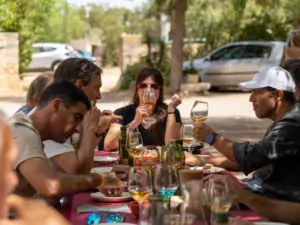
It’s one of the most charming (and slightly dangerous) lunch traditions in Spain. The wine is poured freely, conversations get longer, and suddenly the idea of going back to work feels… ambitious.
Menus change daily and reflect what’s in season and what the kitchen has available. You might start with soup, rice or salad, move on to fish, meat or a classic stew, and finish with fruit, flan or something almond-based.
Why menú del día matters
This isn’t tourist food. This is how locals eat during the week.
Menú del día exists to:
- Feed people properly
- Use seasonal produce
- Keep cooking traditions alive
It’s also where some of the most honest cooking happens. No fuss, no performance, just good food served generously.
Many Mallorca food tours and wine & dine routes are inspired by this structure – multiple courses, shared pacing and an understanding that lunch is meant to be enjoyed, not rushed.
Good luck going back to work after.
Afternoon: coffee, cake and recovery time
After a menú del día, the islands slow right down. Shops close, streets quieten and coffee becomes essential.
This is when:
- Espresso or cortado appears
- A slice of gató de almendra feels justifiable
- Nothing else is planned
This pause is intentional. It resets the day and makes sense of why dinner starts late.
Aperitivo: easing into the evening
Before dinner, there’s the aperitivo. And it matters.
What aperitivo looks like in the Balearics
This is when:
- Vermouth appears
- Olives, crisps or gildas hit the table
- Conversations restart
In Mallorca, vermouth culture is deeply ingrained. In Ibiza, aperitivo might be wine, beer or something herbal. Either way, it’s social, light and unpretentious.
Aperitivo is also one of the best times to join a tapas tasting experience – not too hungry, not too full, just ready to taste.
Dinner: shared plates and late nights
Dinner in the Balearics doesn’t rush. It doesn’t need to impress. It’s about sharing.
What to eat for dinner
Evening food is often lighter than lunch:
- Tapas to share
- Grilled vegetables
- Cheese and cured meats
- Simple fish or meat dishes
In Ibiza especially, dinner leans towards farm-to-table cooking, seasonal produce and relaxed atmospheres. In Mallorca, you’ll find everything from neighbourhood bars to refined dining – but the mindset stays the same.
Dinner starts late, usually after 8:30pm, and can stretch long into the night.
This is where self-guided food tours really shine. You’re not just eating – you’re understanding why the dishes exist, how they’re eaten and what they mean locally.
One day, many flavours – and it all connects
When you experience Balearic food across a full day, something clicks.
Breakfast feels quieter. Lunch feels richer. Dinner feels warmer.
Food stops being a checklist and becomes a rhythm.
That’s exactly how we design experiences at Food Tours Balearics – not as isolated meals, but as part of a wider food story that unfolds naturally, from morning pastries to late-night plates.
Because the real taste of the Balearics isn’t found in one dish or one restaurant.
It’s found across the day.