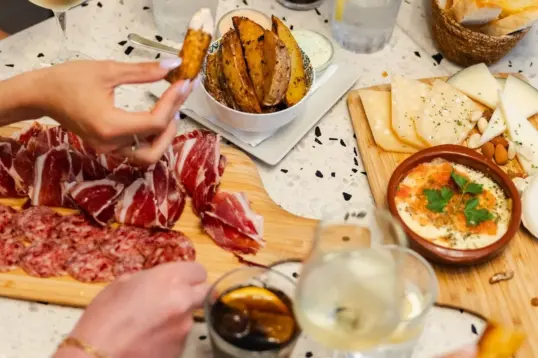


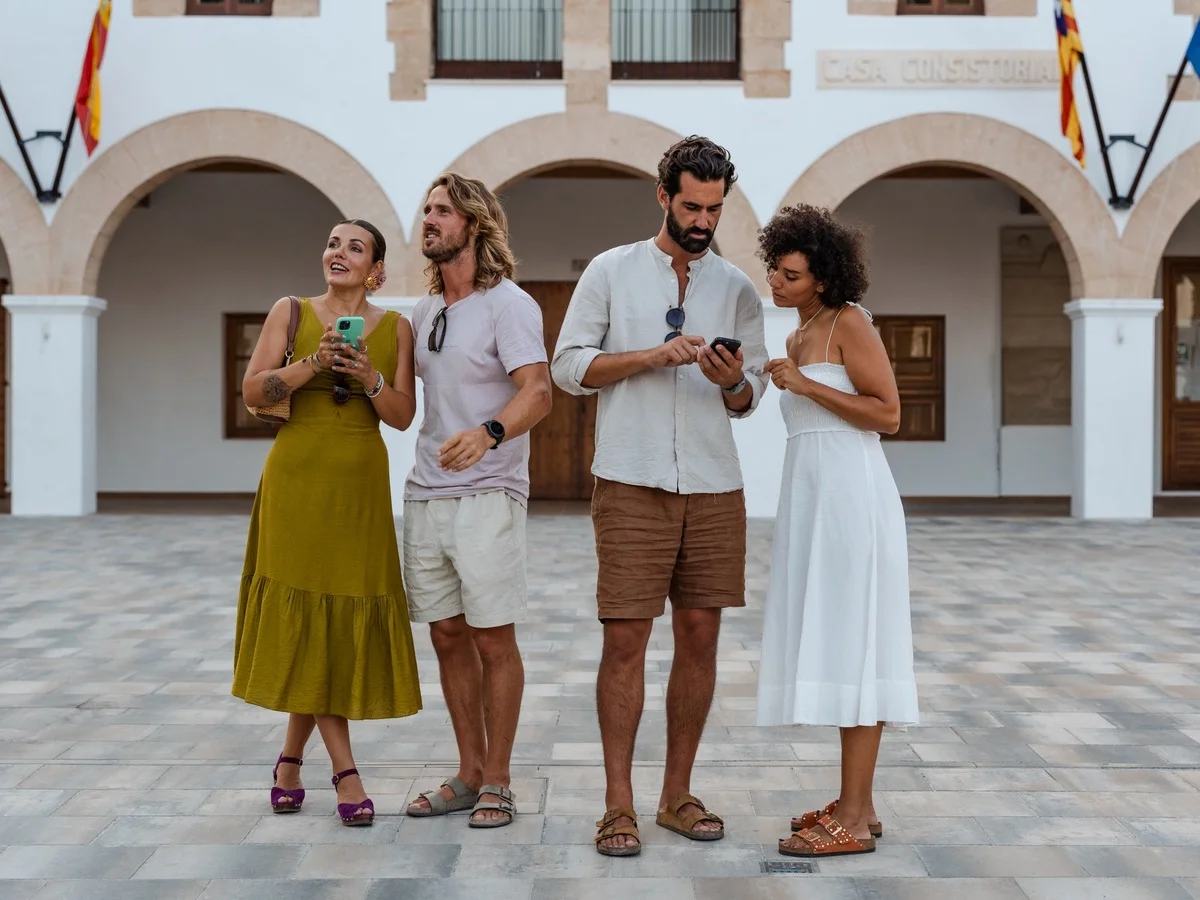

The Balearic Islands are one of the most rewarding destinations in Europe for food lovers. From seafood along the coast to traditional dishes shaped by local ingredients, Mallorca, Ibiza and Menorca each offer a distinct food culture worth exploring. If you’re still shaping your trip, our guide to planning a food–led holiday in Mallorca offers a good starting point for building your itinerary around food.
But despite all that, many travellers miss out on the best parts of the experience. Not because the food isn’t good, but because of how they approach it. If you’re planning a food-focused trip to the Balearics, avoiding a few common mistakes can completely change how you experience the islands.
Mistake 1. Only booking restaurants in advance
It’s easy to assume that the best food experiences in Mallorca or Ibiza come down to securing the right restaurant reservations. And while some places do require planning, focusing only on bookings can limit your experience. Food in the Balearics isn’t built around one long dinner. It’s built around movement, small plates, different venues, and a mix of settings throughout the evening. When you limit yourself to one place, you miss the variety.
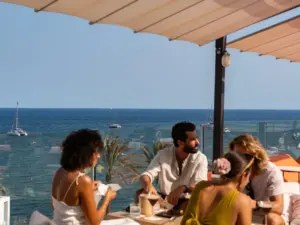
In Ibiza, the same idea applies, but the setting changes the rhythm. In areas like Santa Eulària, evenings are more spread out, often starting by the water and gradually moving between a few carefully chosen spots rather than dense clusters of bars.
A better way to experience multiple restaurants
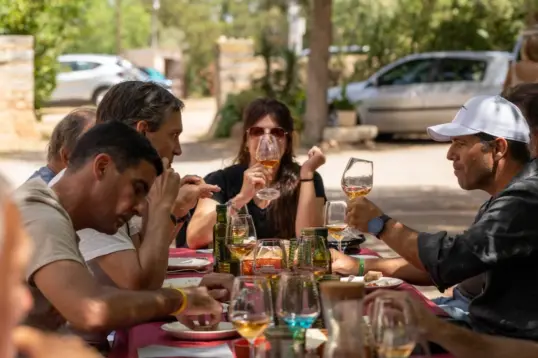
Instead of committing to one location, many travellers now prefer exploring several restaurants in one evening. This allows you to experience different flavours, atmospheres, and styles of cooking in a single route. In areas like Palma Old Town, Santa Catalina, Sóller, Pollença or Santa Eulària in Ibiza, this way of dining feels natural and reflects how locals eat.
Mistake 2. Staying only in Palma (and missing the rest of the island)
Palma is often the starting point for a trip to Mallorca, and for good reason. The city has one of the most dynamic food scenes in the Balearic Islands, especially in areas like Santa Catalina and the Old Town. But stopping there means missing a completely different side of the island.
Compared to Palma, places like Sóller and Pollença feel more grounded. There’s less focus on choice and more on what’s actually being cooked that day, often in smaller, quieter settings.
Food in Mallorca changes by location
- Palma → variety, social dining, multiple venues
- Sóller → local produce, citrus, slower meals
- Pollença → traditional settings, quieter atmosphere
Exploring more than one area gives you a more complete picture of food in Mallorca.
For travellers looking to explore different areas through food, curated routes across Mallorca and Ibiza can make this easier to experience without overplanning. In Ibiza, this approach works particularly well in areas like Santa Eulària, where distances are slightly larger and having a natural flow between stops helps structure the evening without overplanning it.
Mistake 3. Skipping local markets
Markets are one of the easiest ways to experience Balearic food culture, yet many visitors treat them as a quick stop or skip them entirely. In reality, they’re central to how food works on the islands.
Places like Mercat de l’Olivar (Palma), Santa Catalina Market, and local markets in Ibiza and Menorca bring together fresh produce, small bites, and informal dining in one space.
Why markets matter for food lovers
Markets give you access to seasonal ingredients, but more importantly, they show you what people are actually buying and eating day to day. You’ll start to notice which products appear everywhere, which stalls attract locals, and how simple ingredients are combined without overcomplicating things.
They also give context to what you later see on menus. Dishes that might feel “simple” in a restaurant often make more sense once you’ve seen the raw ingredients first, whether it’s tomatoes used for pa amb oli, local cheeses, or fresh seafood coming in that morning.
Spending time in a market changes how you approach food for the rest of your trip. Instead of relying on descriptions, you begin to recognise ingredients, flavours, and combinations, making it easier to choose what to order.
If you go, don’t just walk through. Stop at a bar, order something small, and watch how people eat and interact. That’s usually where the experience starts to make sense.
Mistake 4. Overplanning every meal
Another common mistake is trying to plan every breakfast, lunch, and dinner in advance. While this can work in some destinations, it often takes away from how food is experienced in the Balearics.
Meals here don’t always follow a fixed structure. Plans shift, places get busy, and some of the best spots aren’t the ones you booked days in advance, but the ones you come across at the right moment. It’s common to arrive somewhere and decide to stay longer, or to change direction entirely based on a recommendation or the atmosphere of a place.
Balance structure and flexibility
The key is not to remove structure completely, but to combine it with flexibility.
In areas like Palma, Santa Catalina or Santa Eulària, evenings often unfold across more than one place. Trying to plan each stop in advance can make the experience feel rigid, especially in neighbourhoods where moving between bars and restaurants is part of the culture. In Santa Eulària, this movement tends to be slower and more linear, often following the coastline rather than compact streets, which makes strict planning feel even less necessary.
Experiences that offer a clear route without fixing every detail tend to work best. They give you a starting point, while still leaving room to adjust along the way. This way, you avoid the stress of planning everything, while still making sure you don’t miss the places that are actually worth your time.
Mistake 5. Treating food as just one part of the trip
Many travellers treat food as something that fits in between activities, a place to sit down after doing everything else. On the islands, it usually works the other way around.
You might head out for something small and end up staying longer than expected. A quick drink turns into another stop. Plans shift depending on where you are, who you’re with, or simply because something looks better than what you had in mind. There isn’t always a clear start or end point. Where you are also matters more than people expect. Eating by the coast, in a town like Sóller, or in the centre of Palma doesn’t just change the setting, it changes what’s on the table and how long you stay.
Food as a way to understand the islands
The difference isn’t in how much you try, but in how you move through it. If you stay in one place, you get one version of it. If you move around, even just a bit, you start to notice patterns. Certain ingredients show up everywhere. Portions are smaller than expected. People don’t rush, even when places are busy. That’s usually when it starts to make sense not as something you planned, but as something you gradually fall into.
How to experience the Balearics through food (without these mistakes)
Avoiding these mistakes doesn’t require more effort, just a different approach.
Instead of trying to organise everything in advance, it helps to leave space for how things actually unfold once you’re there. Food here isn’t built around fixed plans, but around moving between places, adjusting as you go, and letting the setting shape what you do next.
One of the easiest ways to approach it is by following a route rather than a schedule. Something that gives direction, but doesn’t lock you into one place or one moment. Experiences built this way tend to reflect how food is actually enjoyed in the Balearics. They connect different neighbourhoods, dishes, and settings into one flow, without requiring you to plan each step yourself.
If you want to explore this approach further, you can find different food routes and experiences across the islands here.
Food in the Balearics is about how you experience it
The Balearic Islands offer far more than just good restaurants. What stands out is not only what you eat, but how the experience unfolds. Meals stretch, plans shift, and the line between a quick stop and a longer evening isn’t always clear.
Whether you’re moving between small tapas bars in Palma, settling into a slower meal in Sóller, or spending time around food in Ibiza, the experience changes depending on how you approach it. It’s less about trying to see everything, and more about giving yourself enough space to let it happen naturally.