


Mallorca has over 200 beaches and coves. Most visitors end up at the same ten locations. Here’s how to find the best cove beaches in Mallorca, the ones worth looking for.
The calas of Mallorca are one of the island’s best-kept secrets, and also one of its worst-kept. The most photographed ones, Caló des Moro and Cala Agulla, appear on every travel list and fill up before 10am in July and August. But the island has dozens of coves that most visitors never find.
The difference between an overcrowded tourist beach and a genuinely memorable cove in Mallorca usually comes down to one thing: effort. The beaches that require a walk, a boat, or simply knowing where to look tend to be the ones that reward you. This guide covers the best coves on the island by area, how to get to each one, and what to expect when you arrive.
What you need to know before you go
A hire car is essential for cove-hopping in Mallorca. Public transport reaches the main beaches but almost nothing beyond them. Most of the coves in this guide have small parking areas that fill up early in summer. Aim to arrive before 10am at the popular ones and before 9am at the most sought-after spots.
Bring everything you need for the day. Many of the best coves have no facilities at all: no beach bar, no toilets, no shade. Water, food, sun protection, a towel, and appropriate footwear for rocky access paths are the basics. Water shoes are worth packing for the northwest coast coves where the seabed is rocky.
Check sea conditions before swimming at exposed coves. Many of the smaller inlets face open water and can have currents or swell even on apparently calm days.
The northwest coast: dramatic coves backed by the Tramuntana
The northwest coast between Port de Sóller and Pollença is the most spectacular stretch of coastline on the island. Steep cliffs drop into the sea, pine forest comes almost to the water’s edge, and the coves here feel genuinely remote even in high summer. The access to most of them involves either a winding mountain road, a boat, or a serious hike, which is exactly what keeps them relatively quiet.
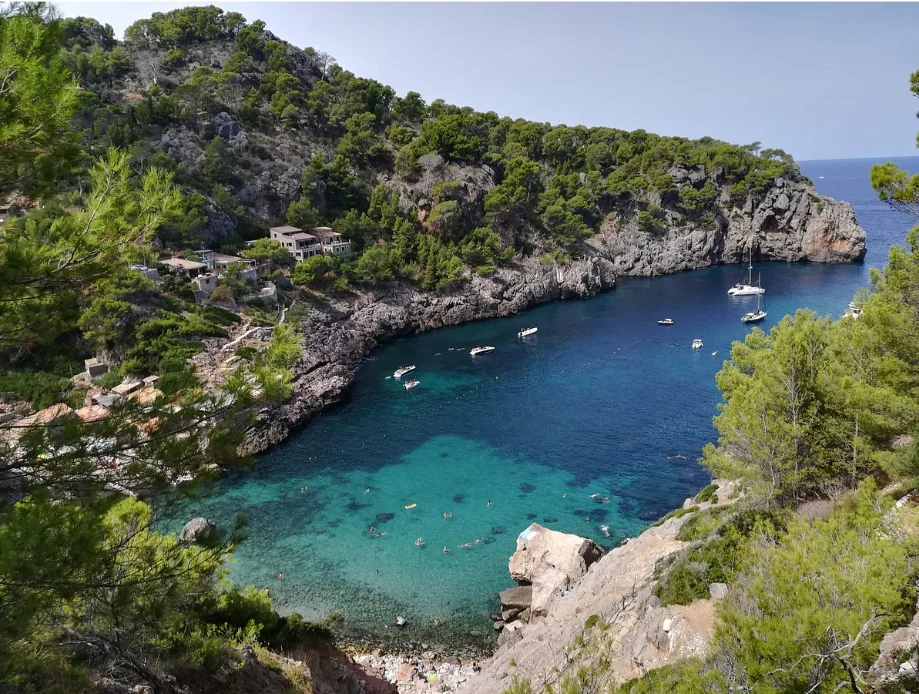
Cala Deià
One of the most celebrated coves on the island. Cala Deià is a small, stony beach at the foot of the valley below the village of Deià, surrounded by dramatic cliffs and pine-covered hillsides. The water is exceptionally clear and the setting is unlike anything else on the northwest coast. Two long-established restaurants serve fresh seafood directly above the cove. The access is either by a 3km walk down from Deià or by a narrow road with very limited parking. Go early, wear shoes suitable for rocky paths, and plan to stay for lunch.
How to get there: Drive towards Deià and follow signs for the cala. Parking is extremely limited. Walking down from the village is the better option and takes around 30 minutes.
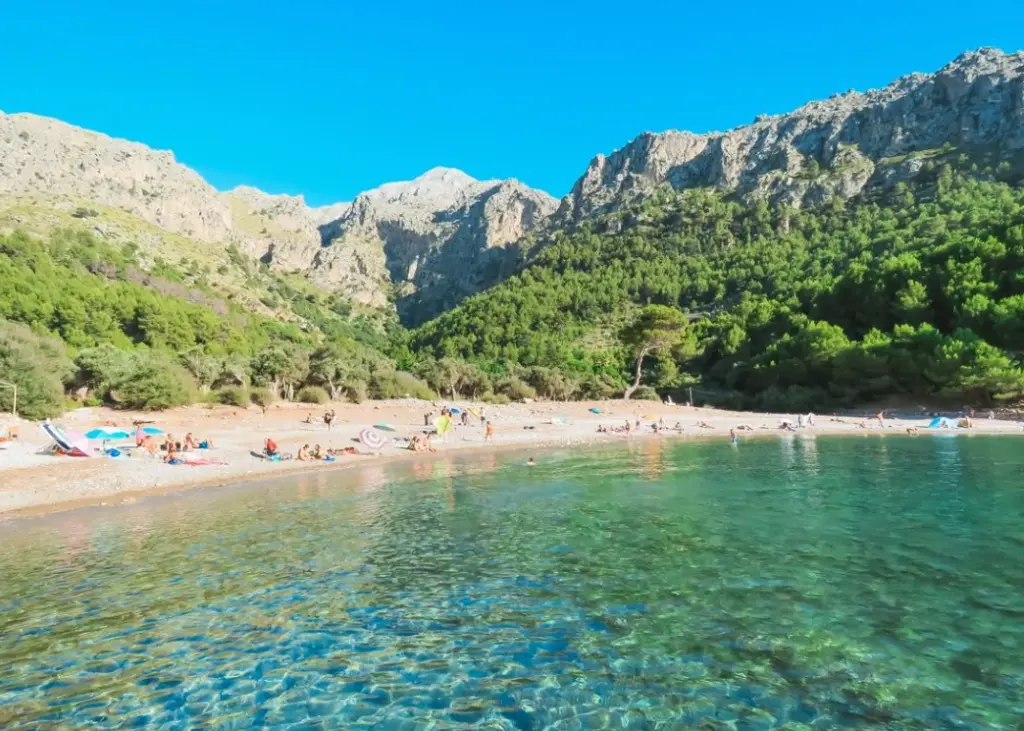
Cala Tuent
Tucked between the Tramuntana mountains and the sea on the northwest coast, Cala Tuent is one of the most secluded sandy coves accessible by road on the island. A mix of sand and pebbles, backed by pine trees, with a small beach restaurant that’s been there for decades. The drive along the MA-2141 is spectacular in its own right. Calm water, natural shade, and a genuinely peaceful atmosphere make it one of the best full-day coves on the northwest coast.
How to get there: Take the MA-2141 from Sa Calobra towards Cala Tuent. The road is narrow but manageable. Parking on site.
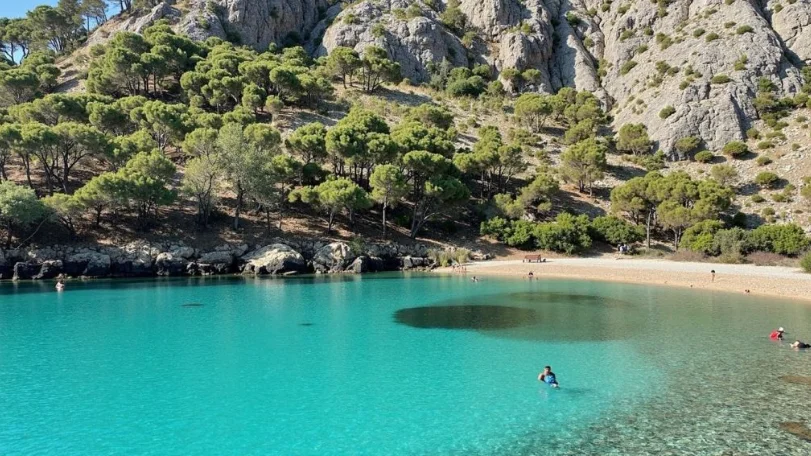
Cala Murta
On the Formentor peninsula, Cala Murta is a pebble beach enclosed by high cliffs with emerald-coloured water and almost no facilities. The access involves a 1.5km walk through pine and holm oak forest from the main Formentor road. No services, no crowds, excellent snorkelling. Combine the visit with the Mirador Es Colomer viewpoints on the Formentor drive.
How to get there: Park on the Formentor road near the Possessió Cala Murta sign and follow the track on foot. Road access to Formentor can be regulated in summer so check restrictions before you go.
The north: long beaches and quieter coves near Pollença and Alcúdia
The north of the island has a different character from the northwest. The beaches are calmer and more accessible, the water is clear without the drama of the Tramuntana cliffs, and the overall feel is more relaxed. A good base for exploring the north is Pollença itself, and the food scene in the old town is worth combining with a beach day. There are food tours in Pollença that work well as an evening option after a day on the north coast coves.
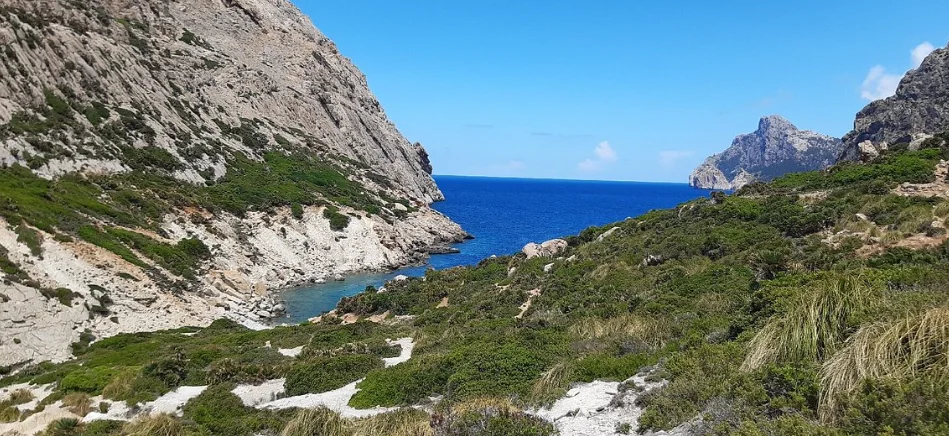
Cala Bóquer
A wild, windswept cove at the end of the Boquer valley north of Port de Pollença. The 45-minute walk through the valley is one of the most rewarding short hikes in northern Mallorca, passing through a natural corridor flanked by rocky peaks before the sea comes into view. The cove itself is pebbly, exposed, and spectacular. No facilities and often windy, so check conditions before making the walk.
How to get there: The path starts at the north end of Port de Pollença near the urbanisation. Follow the valley trail for around 45 minutes. No car access to the cove itself.
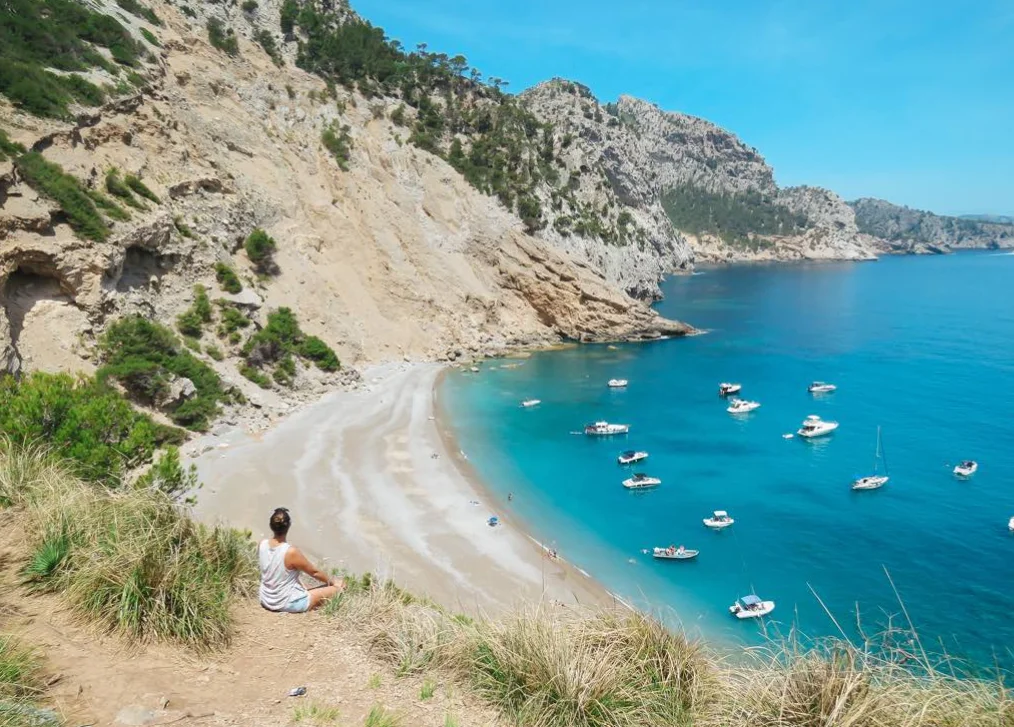
Es Coll Baix
A remote, stunning cove on the Alcúdia peninsula accessible by boat or by a demanding 20-minute descent through pine forest. Famous for its solitary atmosphere and crystal-clear water with a dramatic rocky backdrop. One of the most beautiful coves in northern Mallorca and rarely crowded because the access keeps most people away. Bring water shoes for the rocky shoreline.
How to get there: Drive to the pine grove car park on the Alcúdia peninsula and follow the path down. The final section is rocky and steep. Alternatively accessible by boat from Port de Pollença or Port d’Alcúdia.
The east coast: crystal-clear water and the best coves for snorkelling
The east coast of Mallorca is the richest area for cove beaches. The combination of pine forest, white sand, turquoise water, and relatively sheltered seas makes this part of the island consistently excellent. The calas here range from well-known spots with some facilities to genuinely remote inlets that require a walk through the forest to reach.
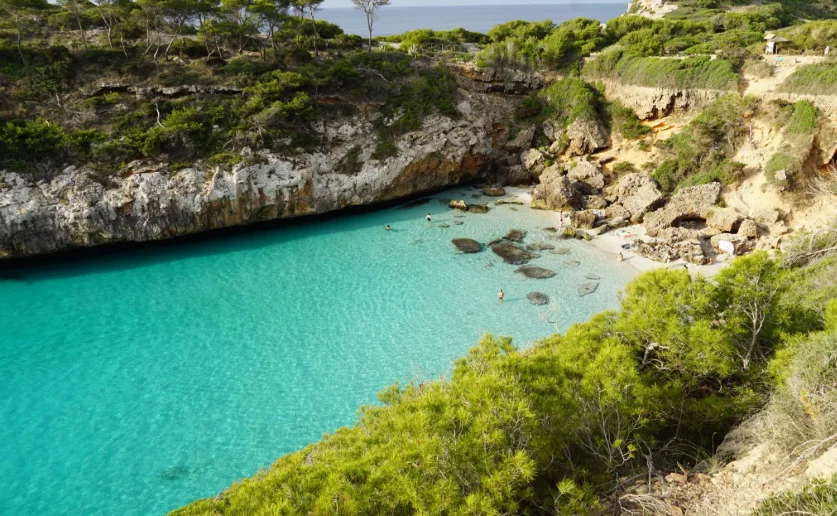
Caló des Moro
The most photographed cove on the island. Caló des Moro is a tiny, horseshoe-shaped inlet with impossibly clear, emerald water framed by dramatic limestone cliffs. It’s beautiful and extremely popular. The parking is limited and the cove is small, which means arriving before 9am in July and August is the difference between getting in and turning back. Worth the effort, but plan carefully.
How to get there: Park at the large car park at the roundabout before the residential area of Cala Llombards and walk 20 minutes. Do not attempt to park in the residential streets.
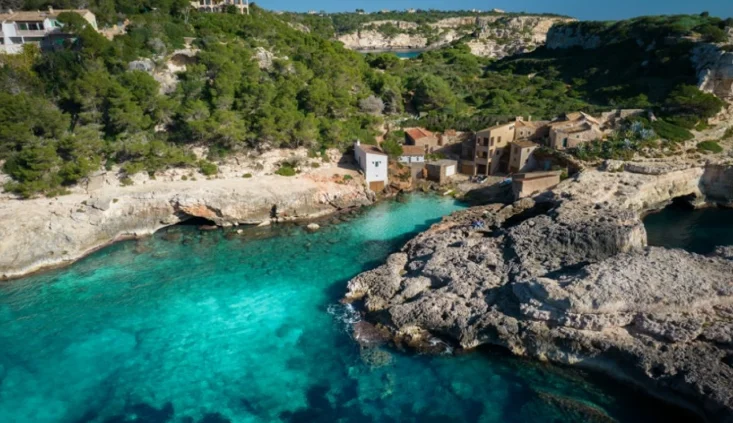
Cala s’Almunia
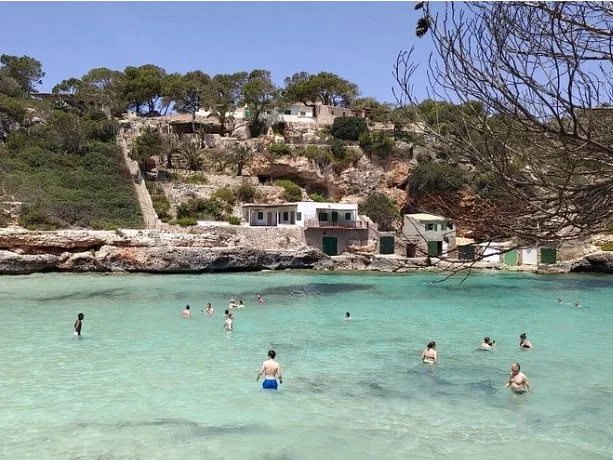
A short walk from Caló des Moro, Cala s’Almunia is less sandy but equally beautiful. Rocky cove with crystal-clear water, traditional fishing boat houses, and significantly fewer visitors than its famous neighbour. The rocks around the cove are popular for jumping and snorkelling is excellent. Often combined with a visit to Caló des Moro into a single morning.
How to get there: Same parking as Caló des Moro. Walk down to Cala s’Almunia first, then continue on the path to Caló des Moro.
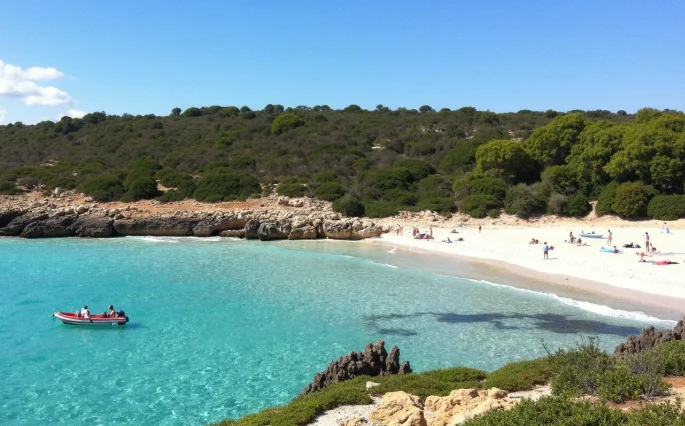
Cala Varques
A wild and secluded cove near Manacor on the east coast, Cala Varques is surrounded by cliffs and pine forest with white sand and turquoise water that remains clear even when other east coast beaches are busy. The access requires a 30-minute walk along a dirt path from the road. No facilities at all: bring everything you need. Sea caves on both sides of the cove are accessible to confident swimmers and snorkellers.
How to get there: Park by the road near the signs for Cala Varques between Porto Cristo and Cala Millor and follow the dirt track on foot. The path is clear but rocky in sections.
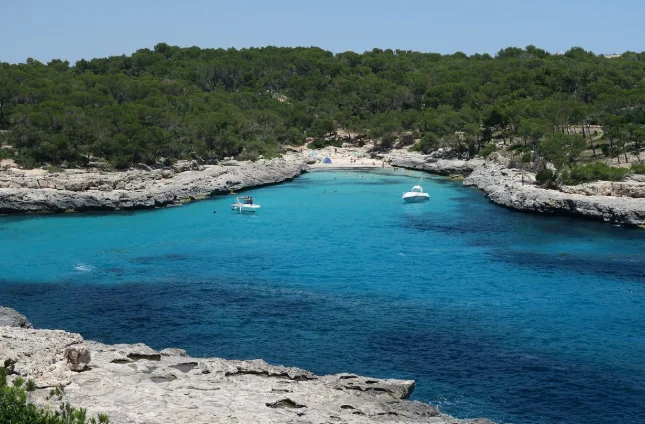
Cala Mondragó
The most accessible of the east coast natural park coves, Cala Mondragó is set within the Mondragó Natural Park and has a beach bar, lifeguard, and coastal paths connecting several smaller coves. Larger and better equipped than most in this guide, it’s the best option on the east coast for families or those who want a natural beach without committing to a remote hike. Walk further into the park to find quieter spots away from the main beach.
How to get there: Drive towards Mondragó from Santanyí. Park at the designated Ses Fonts de n’Alis car park and walk 10 minutes to the beach.
The south: wild coastline and Caribbean water
The south coast of Mallorca is flatter and more open than the northwest, but has some of the most beautiful and least visited beaches on the island. The water in the south is the most turquoise on the island, with a Caribbean quality that comes from the combination of white sand seabed and shallow, sheltered bays.
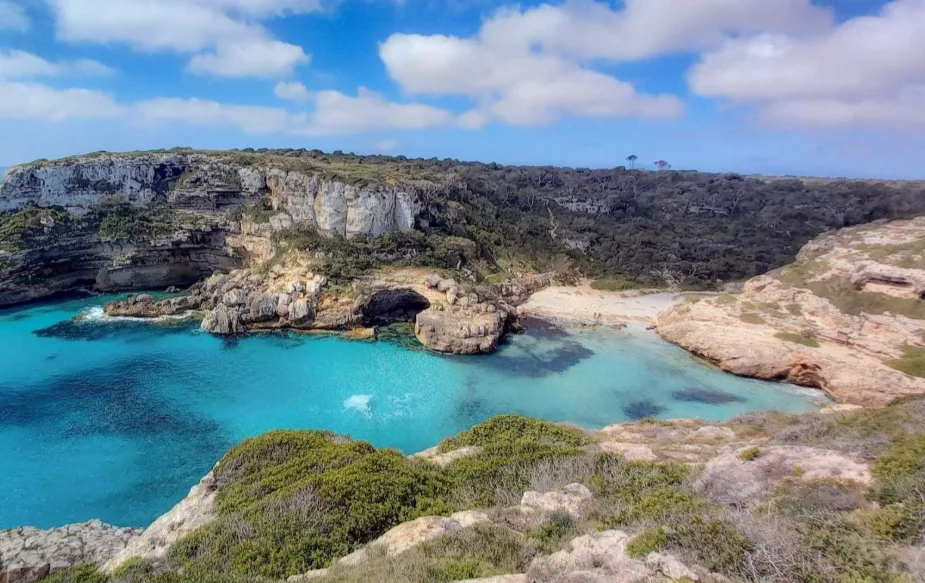
Caló des Marmols
The most remote beach on the south coast and arguably one of the most beautiful on the island. Caló des Marmols has white sand, 20-metre-high marble cliffs, and water of extraordinary clarity. The access requires a 5.5km coastal hike from the Cap de Ses Salines lighthouse or boat access. No facilities, no shade, no services. Bring at least two litres of water per person and start early.
How to get there: Park at the Cap de Ses Salines lighthouse and follow the coastal path northeast. The path is unmarked so keep the sea on your right. Allow 90 minutes each way.
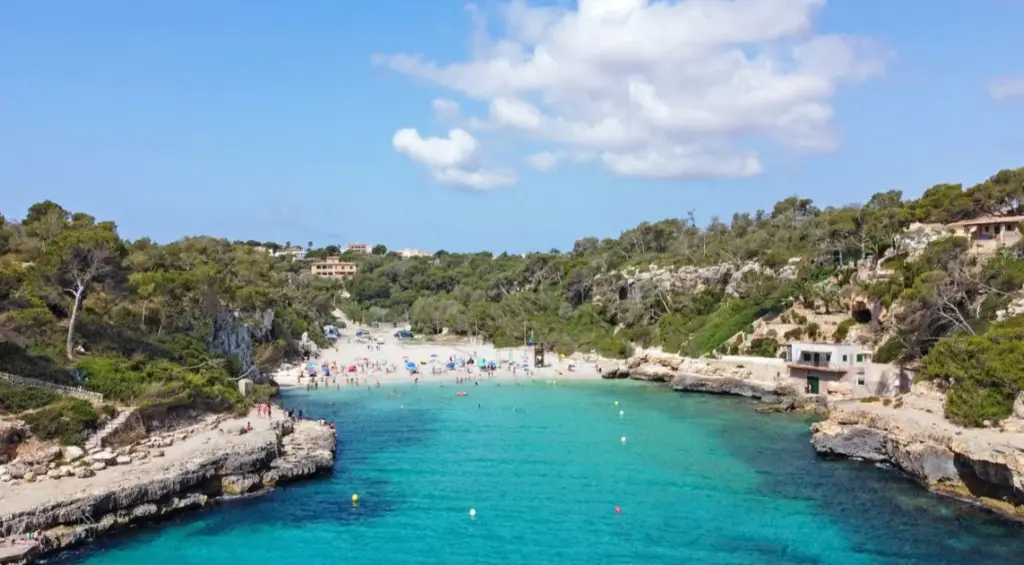
Cala Llombards
A more accessible south coast option, Cala Llombards is a beautiful small cove with fine sand and calm water flanked by traditional fishing huts and limestone cliffs. A short cliff walk to the right of the beach leads to views of Es Pontàs, a dramatic natural rock arch rising from the sea. A single beach bar operates in summer. Good for families and those who want a scenic cove without a significant hike.
How to get there: Drive 10 minutes from Santanyí. Free parking on site, but it fills up fast in summer. Arrive early.
Food and the coves: planning a full day
The best cove days in Mallorca combine a morning at the beach with lunch somewhere worth eating. The northwest coast pairs naturally with Sóller for lunch in the valley or at the port before or after a day at Cala Deià or Cala Tuent. The north coast works well with an evening in Pollença. The east and south coasts are further from the main food towns, but the villages of Santanyí and Artà are both worth stopping at for lunch before hitting the beach in the afternoon.
For a broader picture of the island’s food culture across all areas, Food Tours Balearics covers the best food experiences from Palma to the north coast.