


When people think about Balearic food, they usually picture familiar things: olive oil, seafood, sobrasada, wine. All delicious – but only part of the story.
Scratch beneath the surface of Mallorca and Ibiza, and you’ll find flavours that rarely appear on restaurant menus, never make it into souvenir shops, and often don’t even have an English name. Ingredients tied to season, landscape and habit rather than trends. The kind of flavours locals recognise instantly, but visitors often taste without knowing what they’re eating.
This is a look at some of the most unusual, overlooked and quietly fascinating ingredients in the Balearics – and where you’re most likely to encounter them, especially if you explore through markets, rural kitchens and self-guided food routes rather than fixed menus.
Prickly pear (Higo chumbo): the island fruit with a warning label
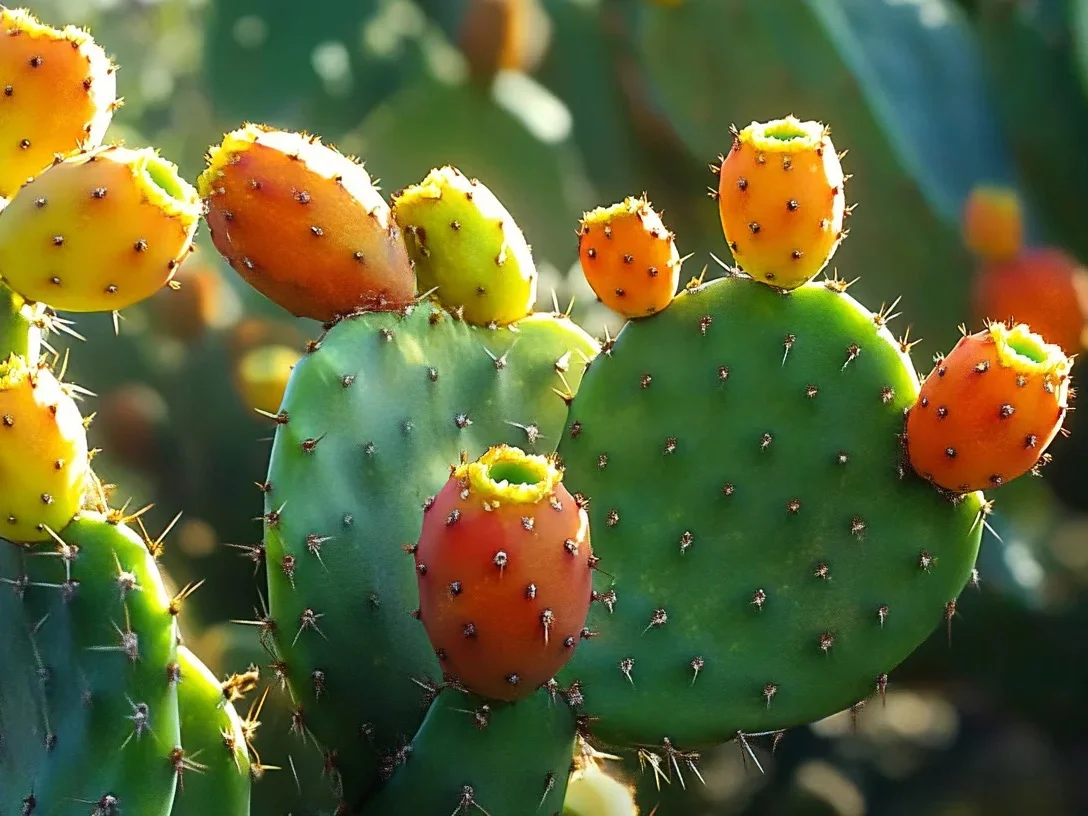
If you visit Mallorca or Ibiza in late summer, you’ll see them everywhere: cactus paddles dotted with spiky, jewel-coloured fruit.
Prickly pear – higo chumbo in Spanish – is one of the most unmistakable yet misunderstood Balearic flavours. Sweet, watery and lightly floral, it tastes somewhere between melon and strawberry, with a texture that demands patience thanks to its tiny seeds.
Locals grow up eating it. Visitors often walk past it.
You’ll find prickly pear:
- Sold peeled at markets in late summer
- Turned into jams, liqueurs or sorbets
- Occasionally paired with cheese or cured meats
Handling it requires gloves and practice, which is why it’s more common in home kitchens than restaurants. When you do see it on a menu, it’s usually a quiet nod to seasonality rather than a headline ingredient.
Best encountered through markets or seasonal tasting stops on Mallorca and Ibiza food tours.
Wild island herbs: flavours you can’t replicate at home
The Balearics are rich in wild herbs that thrive in limestone soil, sea air and intense sun. Many grow untamed, harvested carefully and used sparingly.
Some you might taste without realising:
- Fonoll marí (sea fennel): salty, aromatic, often pickled
- Romaní (rosemary): sharper and more resinous than mainland varieties
- Farigola (thyme): used in broths, stews and herbal infusions
These herbs don’t dominate dishes. They underline them.
You’ll find them in:
- Traditional stews and rice dishes
- Herb-crusted meats or fish
- Local liqueurs and digestive teas
Because many are foraged rather than farmed, their presence depends entirely on season and availability. This is why market conversations matter – herb sellers will happily explain what something is used for, if you ask.
Gamba de Sóller & other local seafood you’ll rarely see exported
Not all Balearic seafood travels well – which is exactly why some of the best varieties stay local.
The gamba de Sóller (deep-water red prawn) is a perfect example. Sweet, mineral and intensely flavoured, it’s prized in northern Mallorca but rarely leaves the island.
Other lesser-known local catches include:
- Raor (razor fish): seasonal, delicate and highly regulated
- Gerret: small silver fish, often fried whole
- Mollera and cap roig used in traditional broths
These aren’t “Instagram seafood platters.” They’re ingredient-led, often served simply – grilled, baked or folded into rice.
You’re most likely to encounter them:
- On menú del día in coastal towns
- At fish markets early in the morning
- In restaurants that cook what arrived that day, not what’s trending
This is where understanding local food culture makes all the difference – and why context matters more than lists.
Carob: the forgotten tree that’s making a comeback
Long before carob became a health-food trend elsewhere, it was part of island life.
Carob trees are everywhere in Mallorca and Ibiza, their pods once used as animal feed, sweetener and emergency food. For decades, carob was seen as old-fashioned – something you ate because you had to.
Now it’s quietly returning.
You’ll find carob:
- In rustic cakes and biscuits
- Ground into flour for baking
- Occasionally paired with chocolate or nuts
Its flavour is earthy, slightly bitter and naturally sweet. It’s not trying to replace chocolate – it’s its own thing.
Carob’s revival is part of a wider movement to rediscover ingredients that belong to the landscape, not global supply chains.
Local cheeses beyond the obvious
Most visitors know Mahón cheese. Fewer know what’s happening quietly beyond it.
Across Mallorca and Ibiza, small producers are working with:
- Raw or lightly treated milk
- Native goat breeds
- Minimal intervention methods
Cheeses vary wildly by season, depending on grazing and weather. Fresh cheeses in spring. More intense, semi-cured styles later in the year.
Some, like Ses Cabretes in Ibiza, are directly tied to conservation efforts, preserving native breeds while producing cheese that reflects the island’s past and present.
These cheeses rarely travel far. They’re made to be eaten here.
They often appear in market stalls, small restaurants and on curated food tours that value provenance over polish.
Why these hidden Balearic flavours matter
None of these ingredients are rare because they’re exclusive. They’re rare because they’re local.
They depend on:
- Seasonality
- Small-scale production
- Knowledge passed through habit, not branding
You won’t find them by googling “best restaurants.” You find them by:
- Slowing down
- Talking to vendors
- Eating what’s available, not what’s expected
This is exactly how locals experience food – and why so many travellers prefer self-guided food tours that leave space for discovery rather than fixed menus.
How to taste the Balearics beyond the obvious
You don’t need to chase every ingredient on this list. That’s not the point.
Instead:
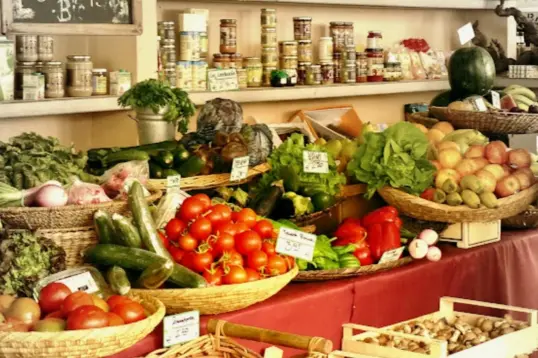
- Visit markets without a shopping list
- Order menú del día and ask what’s local
- Choose places that cook seasonally
- Let curiosity lead, not reviews
And if you want help connecting these lesser-known flavours to places that know how to treat them properly, Food Tours Balearics offers curated, self-guided routes that do exactly that – quietly, thoughtfully, and at your pace.
Because the most memorable flavours in the Balearics are often the ones you didn’t know to look for.